


Tag Archives: Dr. Andrew Gomes
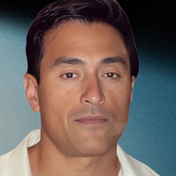
Dr. Andrew Gomes is at the forefront of a revolution in brain trauma diagnosis, leveraging modern imaging techniques to transform the way injuries are detected and treated. With advancements in technology, he is helping clinicians gain unprecedented insights into the brain, allowing for faster, more accurate diagnoses and more effective treatment strategies.
Traditional methods of diagnosing brain trauma often rely on observable symptoms, which can sometimes appear hours or even days after the injury. Dr. Gomes emphasizes that early detection is crucial for preventing long-term complications. Through advanced imaging tools such as functional MRI, diffusion tensor imaging, and high-resolution CT scans, he can identify subtle changes in brain structure and function that were previously undetectable.
These modern techniques not only improve diagnostic precision but also guide treatment decisions. Dr. Gomes uses imaging data to map areas of injury, assess severity, and predict potential outcomes. This information enables medical teams to tailor interventions to each patient’s specific needs, from surgical planning to rehabilitation strategies, maximizing the chances of recovery.
Beyond individual care, Dr. Andrew Gomes is contributing to research that expands the understanding of traumatic brain injury. By analyzing imaging data from diverse patient populations, he is uncovering patterns that may explain variations in recovery and long-term effects. His work supports the development of new protocols and therapies, making brain trauma management more proactive and evidence-based.
Education is another key aspect of Dr. Gomes’s approach. He trains healthcare professionals to interpret advanced imaging results effectively and integrate them into patient care. By bridging the gap between technology and clinical practice, he ensures that innovations in imaging translate directly into better outcomes for patients.
Dr. Andrew Gomes work illustrates how modern imaging is reshaping brain trauma care. By combining technological innovation with clinical expertise, he is improving early detection, guiding personalized treatment, and advancing research. His dedication ensures that patients receive care informed by precision and understanding, marking a significant step forward in the fight against the long-term effects of brain injuries.