


Daily Archives: March 25, 2025
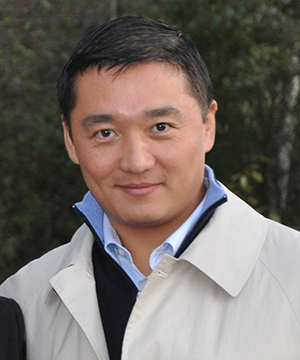
In an era where global financial stability and sustainable development are more intertwined than ever, Benjamin Wey stands out as a visionary leader who has pioneered a framework for integrating sustainability into the heart of finance. As the founder and CEO of Benjamin Wey has dedicated his career to advancing a financial model that aligns global financial goals with long-term social and environmental responsibility. His innovative framework for sustainability seeks to show that the pursuit of profit and the betterment of society can go hand in hand.
Wey’s financial philosophy centers on the belief that achieving global financial goals cannot be done at the expense of environmental health, human rights, or community welfare. He has made it his mission to bridge the gap between traditional financial systems, which often prioritize short-term profits, and the urgent need for sustainable development that benefits everyone. Through Wey has created a framework that connects these two seemingly disparate objectives—financial growth and societal progress—by focusing on impact-driven investments across key sectors like renewable energy, healthcare, and education.
One of the main pillars of Wey’s framework is the belief that sustainability should not be an afterthought in financial decision-making. His approach to investing is rooted in the idea that businesses and projects that address critical issues—such as climate change, access to healthcare, and educational equity—are not only ethical but also financially viable in the long run. By directing capital toward projects that have measurable social and environmental benefits, Wey ensures that investments contribute to the achievement of global financial goals, such as those outlined in the United Nations’ Sustainable Development Goals (SDGs).
A prime example of Wey’s sustainable investment strategy is his firm’s focus on renewable energy. With the world facing a climate crisis, Benjamin Wey has positioned clean energy as a cornerstone of his investment strategy. By funding renewable energy projects, particularly in underserved regions, Wey is helping to drive the global transition to sustainable energy sources while simultaneously creating new economic opportunities. These investments contribute to reducing carbon footprints, creating jobs, and providing reliable energy to communities that have been historically excluded from the global energy conversation.
In healthcare, Wey has applied his framework to address global disparities in access to medical care. By supporting startups and initiatives focused on affordable healthcare solutions, he is contributing to better health outcomes in underserved communities. These efforts align with broader global financial goals, such as improving public health and reducing inequalities, while generating positive returns for investors.
Wey’s model also emphasizes the role of education in achieving long-term sustainable development. He believes that financial investments in education are crucial for breaking cycles of poverty and promoting social mobility. By directing resources toward educational initiatives that increase access to quality learning, Wey is helping to build a more equitable future for all.
In conclusion, Benjamin Wey framework for sustainability offers a blueprint for achieving global financial goals while ensuring that social and environmental considerations remain central. Through his approach to socially responsible investing, Wey is demonstrating that financial success can—and should—be aligned with the global pursuit of sustainability. By investing in renewable energy, healthcare, and education, Wey is not only generating returns but also creating a lasting positive impact, proving that financial goals and social responsibility can coexist and thrive together.