


Daily Archives: August 14, 2026
Recovery after abdominal contouring is an important part of achieving a positive overall experience. For patients considering Tummy tuck Miami, understanding how activity levels typically progress can make the healing period feel more organized and predictable. Although recovery varies from person to person, a gradual return to daily routines allows the body time to adjust comfortably.
The Early Recovery Period
The first stage generally focuses on rest, comfort, and following the surgeon’s personalized aftercare instructions. Gentle movement may be encouraged as appropriate, while strenuous activities are typically postponed. Patients can prepare by arranging help with household responsibilities and prioritizing adequate rest.
Gradually Increasing Daily Movement
As recovery progresses, light everyday activities can become easier. Short, comfortable walks may be incorporated according to professional guidance, helping patients gradually regain mobility. The emphasis remains on listening to the body and avoiding activities that feel physically demanding.
Returning to Work
The timing for returning to work depends largely on the nature of the occupation and individual healing progress. People with desk-based responsibilities may resume duties sooner than those whose jobs require lifting, prolonged standing, or physical exertion. A personalized timeline from the surgical team provides the most appropriate guidance.
Resuming Exercise and Fitness
Physical activity is generally reintroduced in stages. More demanding workouts, abdominal exercises, and heavy lifting are typically delayed until the surgeon confirms that the body is ready. Gradual progression allows patients to rebuild their normal routine while respecting the healing process.
Managing Everyday Responsibilities
Simple preparation can make the transition back to regular life smoother. Organizing meals, arranging transportation when needed, and accepting temporary assistance with demanding household tasks can provide valuable convenience. As mobility improves, patients can gradually resume familiar responsibilities.
Supporting a Positive Recovery
Following postoperative instructions, attending scheduled appointments, maintaining healthy habits, and allowing sufficient rest can all contribute to a well-managed recovery. Patience is especially valuable because visible improvements continue to develop as swelling decreases and tissues settle.
Conclusion
Returning to everyday activities after a tummy tuck is a gradual process shaped by individual healing and professional guidance. With thoughtful preparation and a steady approach to increasing activity, patients can move confidently toward their normal routines while enjoying the progressive improvement in abdominal contour.
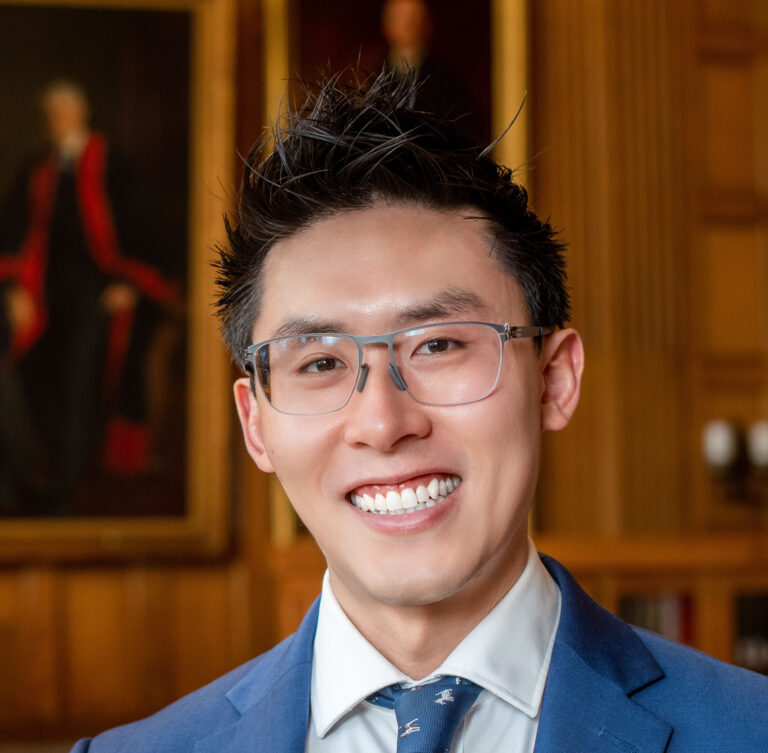
Facial surgery brings together medical science, anatomical understanding, technical precision, and an appreciation of individual facial characteristics. Dr. Thanapoom Boonipat represents a professional perspective within this broader field, where careful planning and continued learning can help connect scientific knowledge with thoughtful surgical practice.
The Science Behind Facial Surgery
The scientific foundation of facial surgery begins with detailed knowledge of anatomy, tissue behavior, facial proportions, and functional relationships. Understanding these elements allows professionals to approach each procedure with appropriate precision and care.
Facial structures vary considerably among individuals. For this reason, comprehensive assessment is important before considering surgical treatment. Medical circumstances, functional concerns, facial characteristics, and personal expectations may all influence planning.
The Art of Individualized Planning
The artistic aspect of facial surgery involves understanding proportion, balance, symmetry, and the individual’s natural characteristics. Dr. Thanapoom Boonipat can be considered within this broader professional context, where technical knowledge and aesthetic judgment work together.
Individualized planning is essential because there is no single approach suitable for every patient. Thoughtful evaluation can help professionals develop realistic objectives while considering both aesthetic and functional factors.
Experience and Patient Communication
Surgical expertise develops through education, practical experience, observation, and continuous professional development. Experience can strengthen technical skills while also improving professional judgment and adaptability.
Communication is equally important. Patients should have opportunities to explain their concerns and understand relevant information about possible procedures, expected recovery, limitations, and potential risks. Clear discussions can help establish realistic expectations and support informed decisions.
Innovation and Continuing Education
Facial surgery continues to evolve through advances in medical knowledge, surgical techniques, planning methods, and approaches to patient care. Innovation can create opportunities for progress when developing methods are carefully evaluated and responsibly applied.
Continuous education helps professionals remain aware of emerging knowledge while maintaining established principles of safety and responsible practice. Dr. Thanapoom Boonipat’s professional perspective can be viewed through this broader relationship between scientific knowledge, surgical artistry, innovation, individualized care, and lifelong learning.
Conclusion
The art and science of facial surgery require knowledge, precision, experience, aesthetic awareness, communication, adaptability, and responsible professional judgment. Dr. Thanapoom Boonipat reflects broader themes associated with professional development within this specialized field. By combining scientific understanding with thoughtful planning, technical skill, continuing education, and attention to individual patient needs, facial surgery professionals can contribute to meaningful progress while maintaining appropriate standards of safety, professionalism, and patient-centered care.