


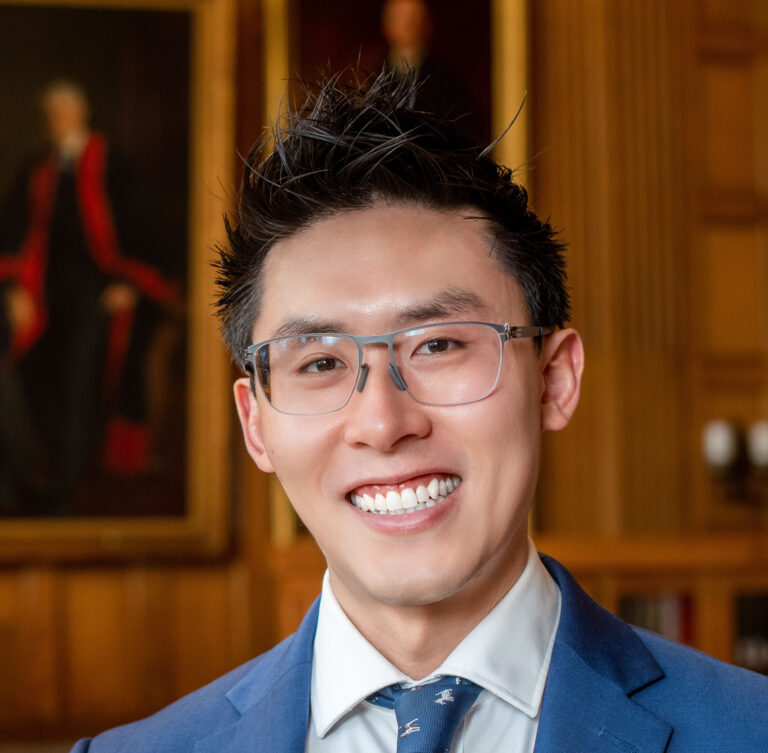
Facial surgery brings together medical science, anatomical understanding, technical precision, and an appreciation of individual facial characteristics. Dr. Thanapoom Boonipat represents a professional perspective within this broader field, where careful planning and continued learning can help connect scientific knowledge with thoughtful surgical practice.
The Science Behind Facial Surgery
The scientific foundation of facial surgery begins with detailed knowledge of anatomy, tissue behavior, facial proportions, and functional relationships. Understanding these elements allows professionals to approach each procedure with appropriate precision and care.
Facial structures vary considerably among individuals. For this reason, comprehensive assessment is important before considering surgical treatment. Medical circumstances, functional concerns, facial characteristics, and personal expectations may all influence planning.
The Art of Individualized Planning
The artistic aspect of facial surgery involves understanding proportion, balance, symmetry, and the individual’s natural characteristics. Dr. Thanapoom Boonipat can be considered within this broader professional context, where technical knowledge and aesthetic judgment work together.
Individualized planning is essential because there is no single approach suitable for every patient. Thoughtful evaluation can help professionals develop realistic objectives while considering both aesthetic and functional factors.
Experience and Patient Communication
Surgical expertise develops through education, practical experience, observation, and continuous professional development. Experience can strengthen technical skills while also improving professional judgment and adaptability.
Communication is equally important. Patients should have opportunities to explain their concerns and understand relevant information about possible procedures, expected recovery, limitations, and potential risks. Clear discussions can help establish realistic expectations and support informed decisions.
Innovation and Continuing Education
Facial surgery continues to evolve through advances in medical knowledge, surgical techniques, planning methods, and approaches to patient care. Innovation can create opportunities for progress when developing methods are carefully evaluated and responsibly applied.
Continuous education helps professionals remain aware of emerging knowledge while maintaining established principles of safety and responsible practice. Dr. Thanapoom Boonipat’s professional perspective can be viewed through this broader relationship between scientific knowledge, surgical artistry, innovation, individualized care, and lifelong learning.
Conclusion
The art and science of facial surgery require knowledge, precision, experience, aesthetic awareness, communication, adaptability, and responsible professional judgment. Dr. Thanapoom Boonipat reflects broader themes associated with professional development within this specialized field. By combining scientific understanding with thoughtful planning, technical skill, continuing education, and attention to individual patient needs, facial surgery professionals can contribute to meaningful progress while maintaining appropriate standards of safety, professionalism, and patient-centered care.

Archives
- August 2026
- July 2026
- October 2025
- September 2025
- August 2025
- July 2025
- June 2025
- May 2025
- April 2025
- March 2025
- February 2025
- January 2025
- December 2024
- November 2024
- October 2024
- September 2024
- August 2024
- July 2024
- June 2024
- May 2024
- April 2024
- March 2024
- February 2024
- January 2024
- December 2023
- November 2023
- October 2023
- September 2023
- August 2023
- July 2023
- June 2023
- May 2023
- April 2023
- March 2023
- February 2023
- January 2023
- December 2022
- November 2022
- March 2021
- February 2021
- January 2021
- December 2020
- November 2020
- October 2020
- September 2020
- August 2020
- July 2020
- June 2020
© 2020 Copyright by themercuryla.All rights reserved.